AI- and Digital Knowledge
BSL

Books
-

Artificial Intelligence
Artificial Intelligence (AI) enables machines to learn, analyze data, and make decisions, transforming industries through automation and innovation.
-

AR - Augmented Reality
Augmented Reality (AR) blends digital content with the real world, creating interactive, immersive experiences across industries.
-
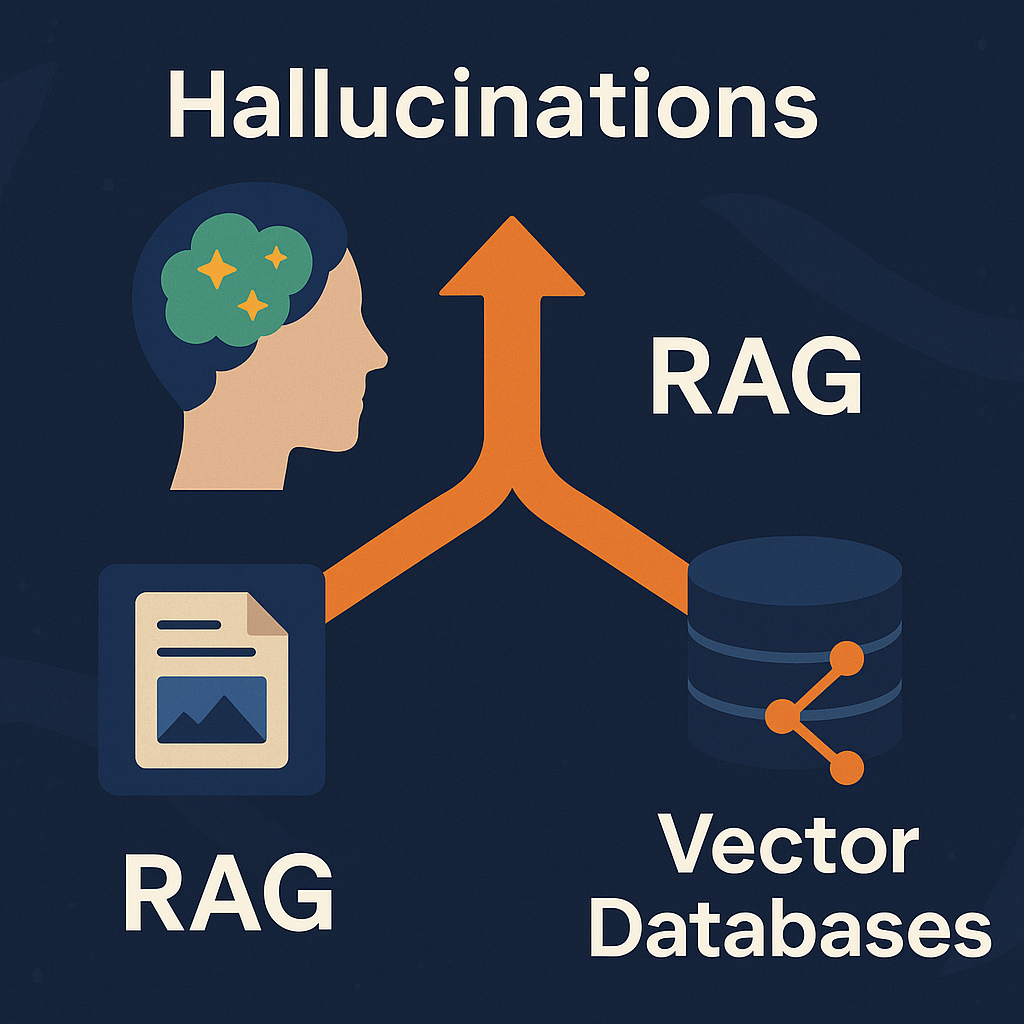
Hallucinations - RAG - Vector databases
Hallucinations in AI are false outputs. RAG uses vector databases and semantic search to deliver accurate, grounded AI responses.
-

Understanding AI Agents
AI agents are autonomous systems that perceive, reason, and act to achieve goals without constant human input. They can plan, adapt, and use tools or APIs, making them ideal for automation, customer service, and productivity. The future of intelligent sys
-

Humanoid Robots & Androids
Humanoid robots and androids mimic human form and behaviour, using AI to interact naturally. From healthcare to education, they assist, learn, and adapt—blending tech and empathy. As robotics evolve, they’re reshaping how we engage with intelligent machin
-

Heygen Video Creation
Heygen is an AI video platform that turns text into videos with lifelike avatars and voiceovers. Create content fast—no camera or editing skills needed.
-

The 10 Most Important Learning Techniques
Master learning with the 10 most important techniques: spaced repetition, active recall, self-explanation, interleaving, dual coding, mnemonics, concrete examples, elaborative interrogation, metacognition, and practice testing. Learn smarter, not harder!
-

History of AI
AI’s journey began in the 1950s with Alan Turing’s ideas and the coining of “Artificial Intelligence” in 1956. From rule-based systems to modern deep learning, AI has evolved to power assistants, automation, and tools like ChatGPT, reshaping our digital w
-

ChatGPT for Beginners - The Right Prompting
ChatGPT for Beginners – The Right Prompting teaches better questions and smarter answers. Learn effective prompts for writing and more.
-

Microsoft Copilot - An Overview
Microsoft Copilot is an AI assistant built into Microsoft 365 and Windows, helping users write, analyse, and automate tasks across apps like Word, Excel, and Outlook. Powered by GPT-4, it boosts productivity with real-time suggestions, voice commands, and
-

Vibe Coding Basics for Non-Developers
Learn vibe coding: turn ideas into clear software, prompt AI right, iterate one change at time, test results, spot risks, explain bugs.
-

Costs, Plans, and AI Credits for Vibe Coders
Learn to price AI software: free vs paid plans, fixed vs usage costs, tokens/credits, cost control, upgrade signs, hidden traps, monthly checklist.
-

Software Basics for Vibe Coders
Learn how web apps work: frontend vs backend, components, state, project files; plus hosting, HTTPS, responsive design, databases, relationships, data quality, security.
-

APIs for Vibe Coders
Learn APIs fast: what they are, why they matter, key types, safety, costs, app flow, and using AI to connect/test/troubleshoot.
-

Replit for Vibe Coders
Learn Replit fast: create, run, test, and publish browser apps—websites, tools, dashboards—plus data, databases, secrets, and safe deployment.
-

GitHub for Vibe Coders
Learn GitHub basics: repos, public/private, commits, clear messages, diffs, restore versions, branches, merging, plus AI workflow—context prompts, review changes, Issues, README.
-

Claude Code for Vibe Coders
Learn how to use Claude Code to explain, build, debug, refactor, and review real projects—better prompts, clear limits, security/UX checks, next-step plans.
-

Databases
Learn how to pick PostgreSQL, set up dev/prod DBs, design tables/relationships with AI, make safe changes/backups, and handle privacy/access/data growth.
-

Deployment in Vibecoding
Learn deployment fast: hosting, domains, HTTPS, preview vs production, GitHub workflows, go-live checklist, safe updates, rollbacks, monitoring, and fixing common launch errors.